


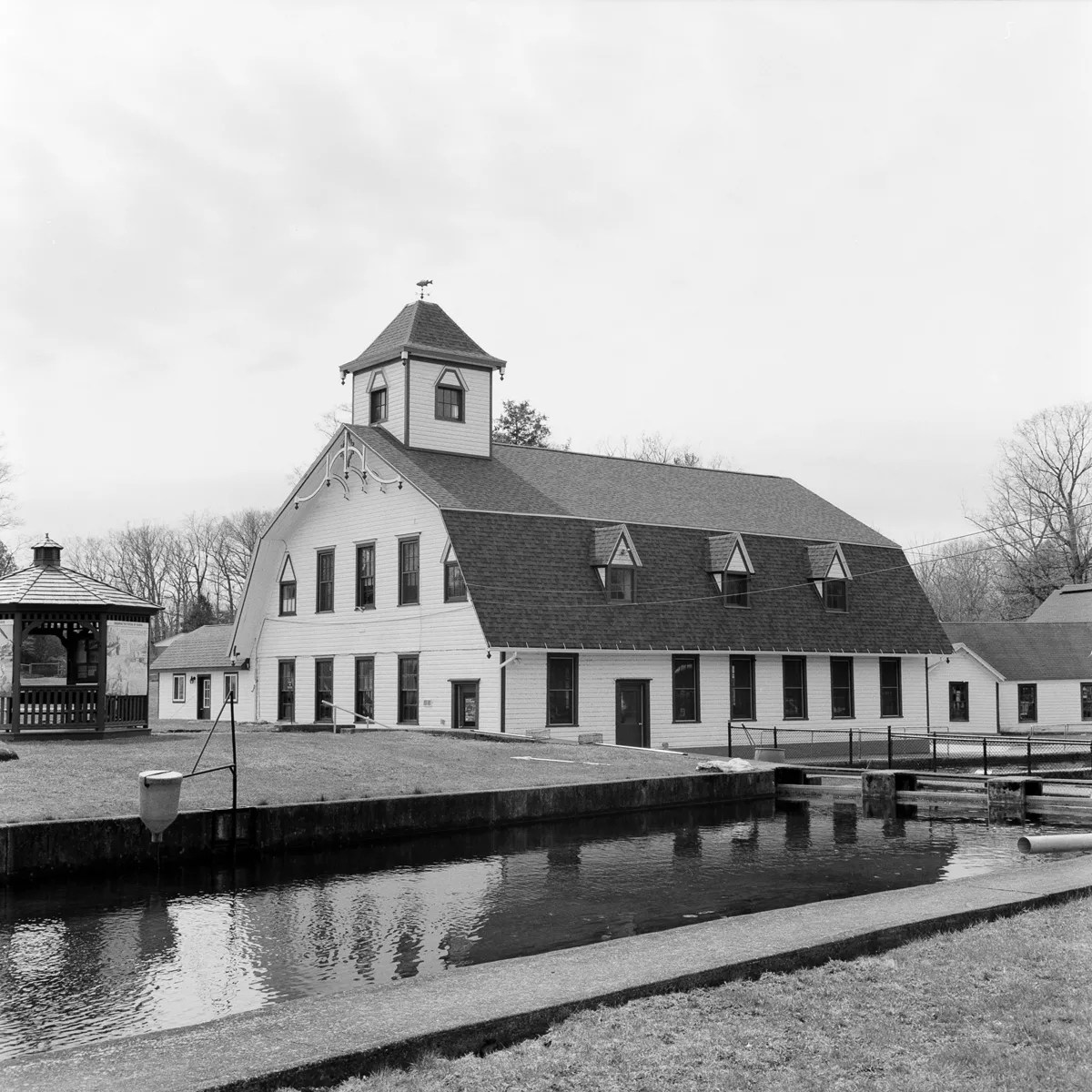
The rich history of Rochester and its surrounding areas could serve as a longstanding source for the golden era (glass bottles) of Snapple Real Facts — and for the young bucks out there, well, you just had to be there. A new tie to the historical significance of this region of the world presents itself quite frequently. Most recently, I’ve discovered the oldest fish hatchery in the Western Hemisphere is located just 20 miles southwest of downtown Rochester, in the town of Caledonia.
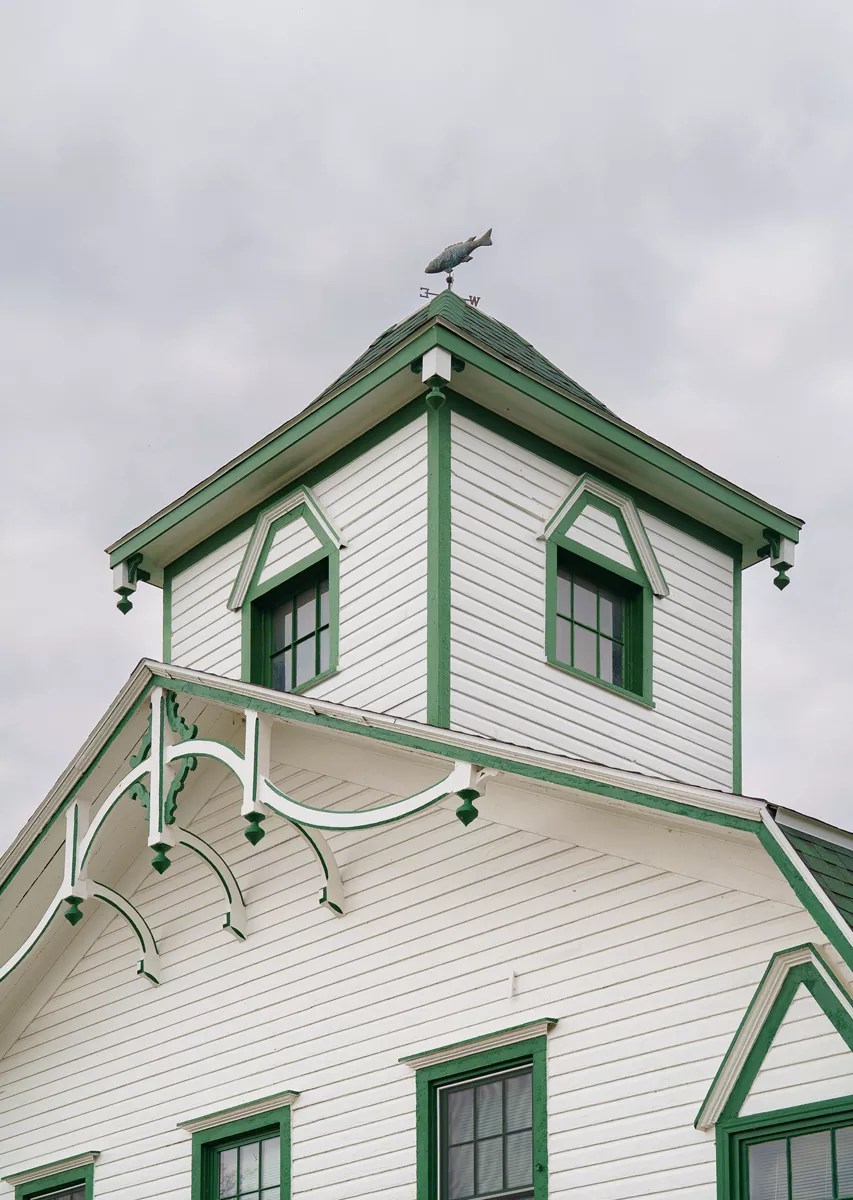
Operating as one of 12 fish hatcheries by the New York State Department of Environmental Conservation (NYSDEC), the hatchery is the focal point of what will be the town’s third annual trout festival this year.
“A lot of people don’t realize all the history that’s here,” said Stephen Galbreth, Fish Culturist 3 at the hatchery. “(The festival) is promoting history and recreational fishing opportunities, too.”
Built in 1864, the Caledonia Fish Hatchery was established by the “Father of Fish Culture” Seth Green, who was born in Rochester in 1817. Designed by Green’s son, William C. Green, the hatchery is responsible for introducing the Brown Trout — a species native to Germany — into the area.
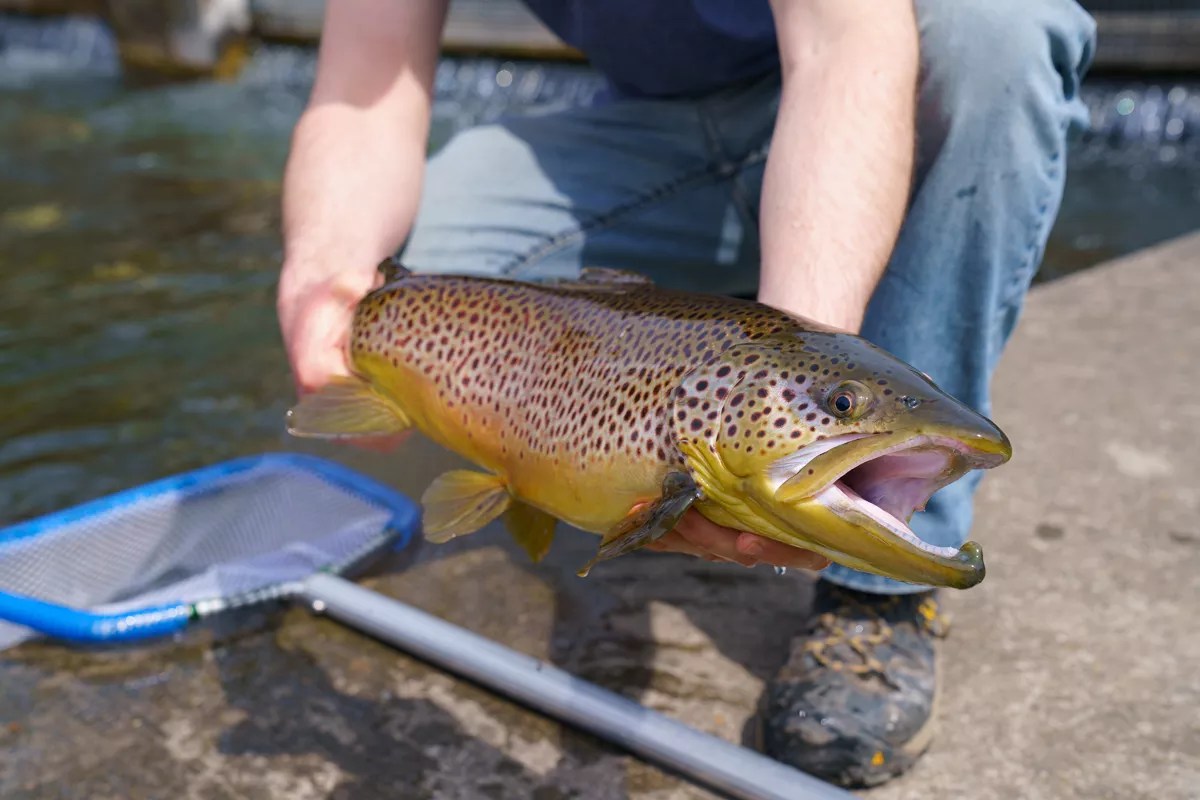
“They’ve been here so long now that people think brown trout are native to North America (or) the area,” said Galbreth.
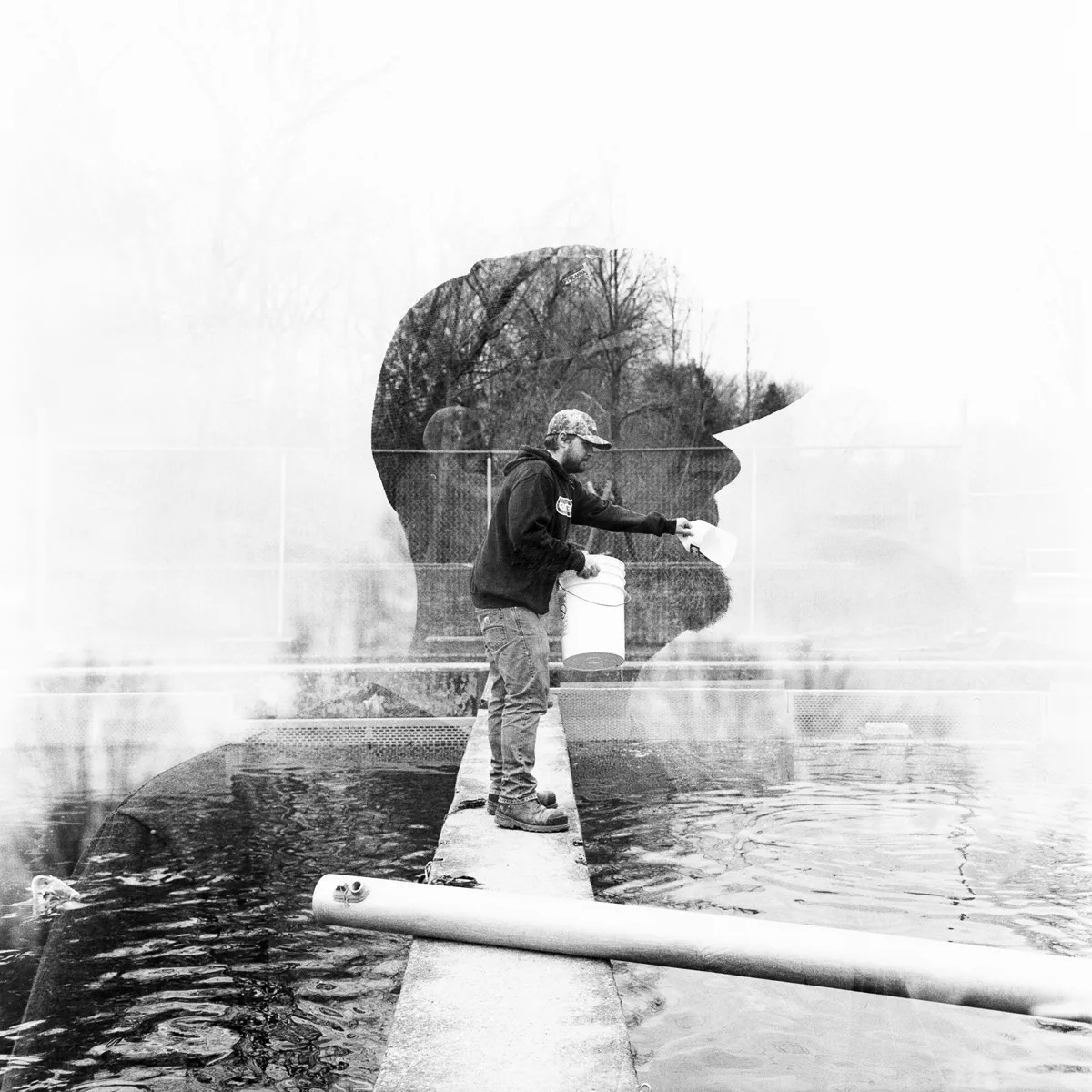
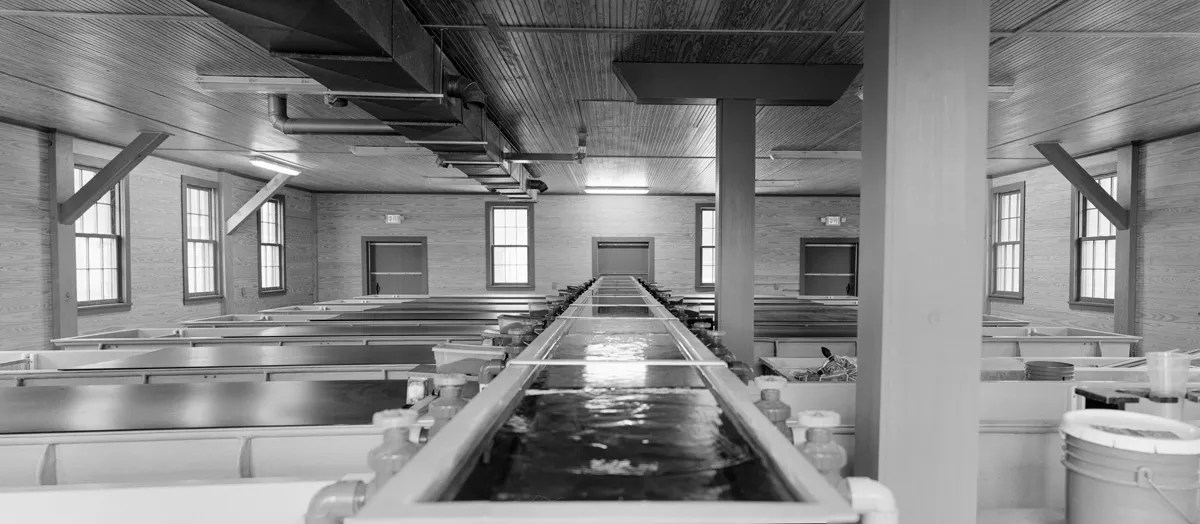
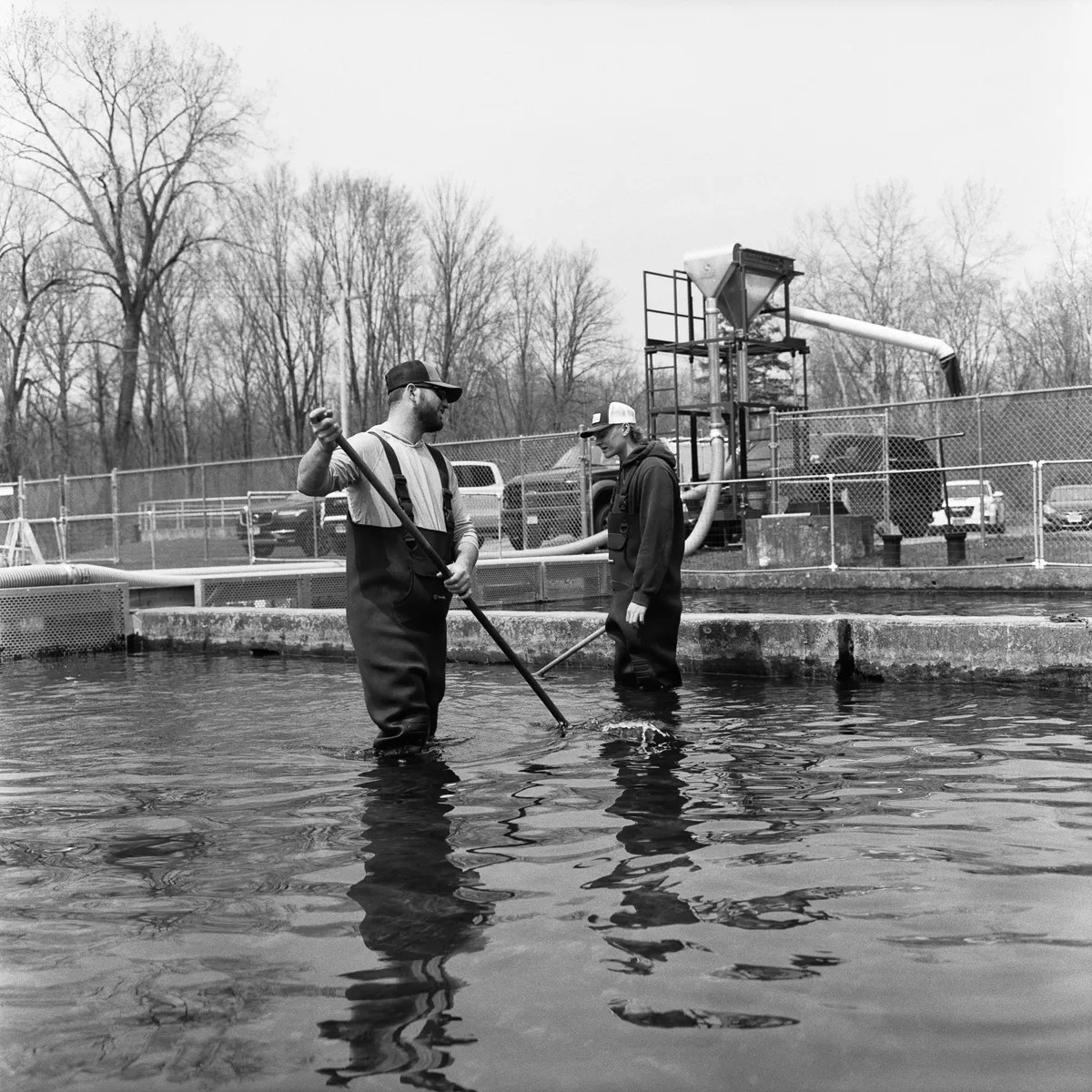
The entire hatchery produces about 250,000 -300,000 fish per year. The fish start inside the hatchery in what are called “raceways,” fed by newly installed automatic belt feeders. Eventually, they rotate to the outside ponds — equipped with on-demand feeders and, occasionally, hand-fed — after the yearlings and 2-year-olds are relocated to other waterways. According to the NYSDEC, virtually all of the 2-year-old brown trout in their stocking program come from the Caledonia Fish Hatchery.
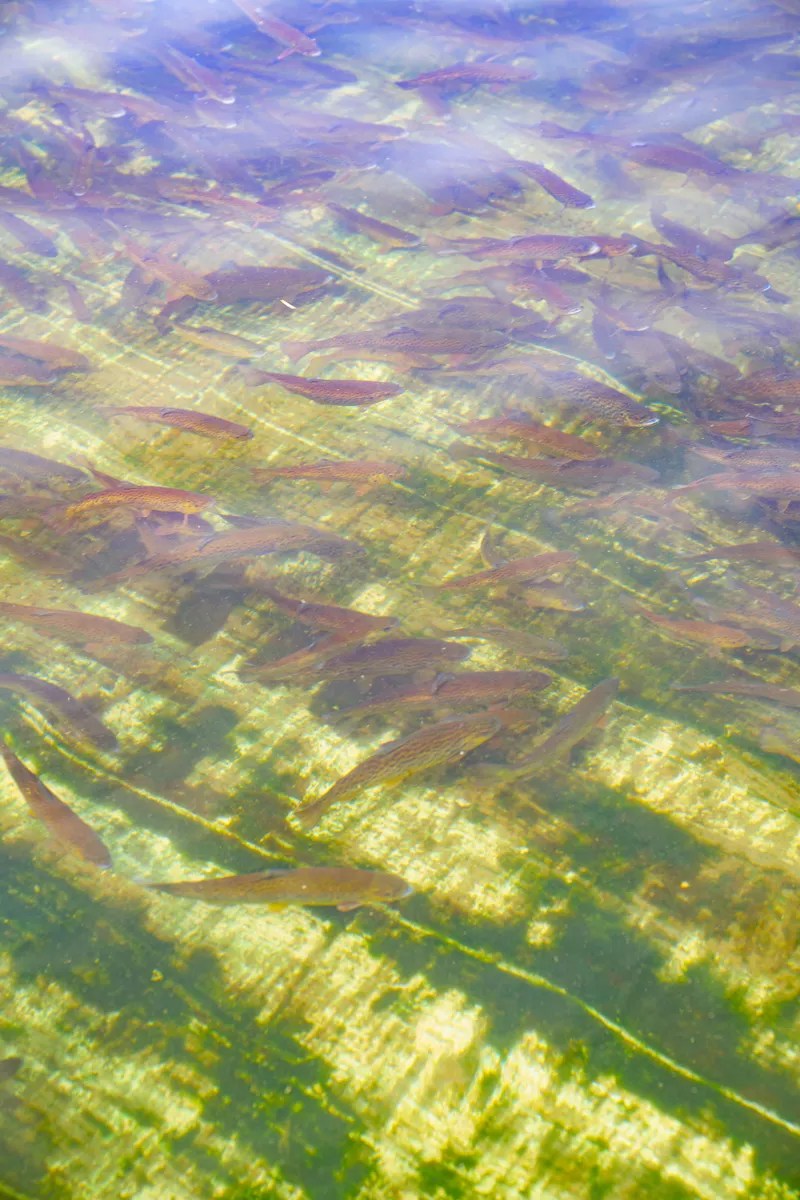
“All the water is from the creek. We pull 5,000 gallons a minute — every day, all year long — from Spring Creek right through the hatchery,” said Galbreth, noting the lack of pumps, as the entire system is gravity-fed. “It’s designed to flow all the way down through the hatchery and go back to the creek.”
The most important thing is flow and dissolved oxygen; keeping the screens between each pond clean requires cleaning a minimum of twice a day.
“Our main goal is to stock public waters for sport fishing purposes to enhance sport fishing opportunities for the public,” Galbreth said. “We don’t sell any fish. We don’t stock any private waters. We only stock public waters where anybody can go and fish.”
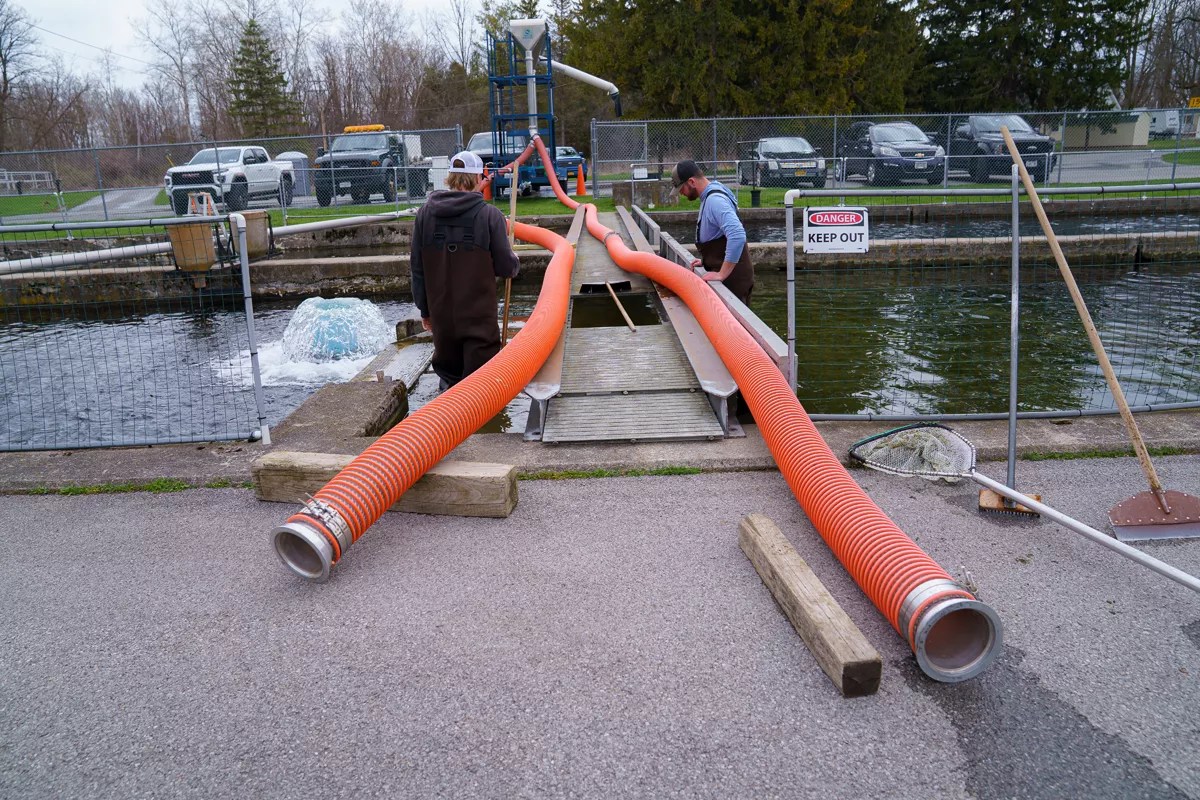

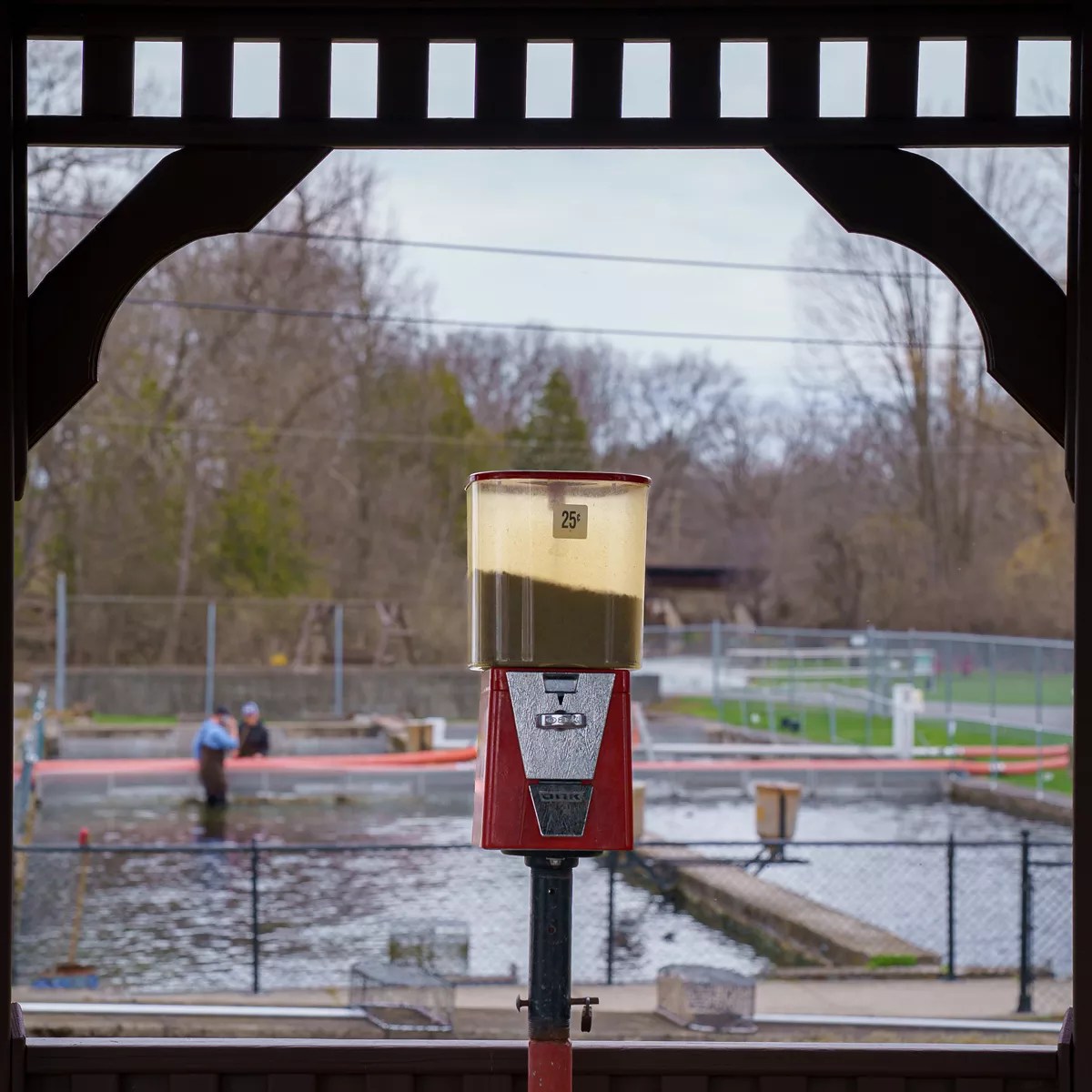
The third annual Caledonia Trout Festival on Saturday, May 31 will feature family oriented activities that introduce kids to fish culture, with prizes like tackle, rods and reels. One of the festival’s most popular attractions are the trout pools, where “every kid catches a trout, they don’t leave until they’ve caught one,” said Galbreth.
Although the celebration of fish culture is at the forefront — with notable keynote speakers, demonstrations and fisherman’s flea market — festival planning committee member Nick Sims emphasized the festival is for everyone.
“For people who aren’t involved in fishing or the history of trout aquaculture, we have food vendors and live music all day in the beer garden,” he said. “There’s different opportunities and something for everybody.” facebook.com/caledoniatroutfestival
Roberto Felipe Lagares is a multimedia reporter for CITY. He can be reached at berto@rochester-citynews.com.

Related Stories

This article appears in Dec 1-31, 2024.





