The Rochester Philharmonic Orchestra brought down the house Thursday night
for its final program of the season. The strategy of ending with “Pictures at
an Exhibition” was brilliant. How can you fail to excite the audience when the
final moments of “The Great Gate of Kiev” involve huge, loud sounds, including
chimes and drums and every instrument performing a great score, composed by
Russian Modest Mussorgsky and arranged by Frenchman Maurice Ravel?
The orchestration for “Pictures” takes full advantage of a wide range of
instruments, and is a perfect selection to exploit the enormous talent of the
RPO. Certain sections were true reflections of the intended character of the 10
vignettes, particularly “Gnomus,” “Ballet of the Chicks in Their Shells,”
“Samuel Goldenberg and Schmuyle,” and “Limoges.”
The score works its way through 10 sections with a primary theme that comes and
goes, modulates into different keys, all but falls apart, and then comes
roaring back in the final “The Great Gate of Kiev.”
What I have found curious about this work over the years is the surprising
variation of tempi selected by conductors and pianists for the “Introduction,”
wherein the piece’s main theme begins. The work is also an important part of
piano repertoire, so add that dimension to the opening-tempo debate. The range
goes from a fairly stately and regal tempo to the brisk stride used Thursday by
conductor Arild Remmereit.
Concerning the opening tempo, my comment is this: when a single piano is
being used, there is so much less sound being created, so arguably, the
musicians should be able to push through the notes and create the dense and
heavy sound without muddle or blur. For the orchestra, especially one that
creates as rich a sound as the RPO, I would have been more interested to hear a
tempo that reflected its title, “Promenade,” allowing the sound to travel
through the hall, the way one would take an unhurried walk through a park on a
Sunday afternoon.
Starting with a promenade-like approach would allow the entirety of “Pictures”
to bring forth a wider range of dynamics more and less than the original
promenade, as well as a stronger contrast to the final section, in terms of
both tempo and dynamics.
Also, the tempo of “Il vecchio castello” (“The Old Castle”) might have been
more effective had it been slowed down, to better evoke the footfall of
approaching a musty old castle in the shroud of fog. A majestic opening and the
slow depth of “Il vecchio castello” would then create the deeper contrast which
would really punch the already appropriately brisk sections like “Tuileries”
and “Ballet of the Chicks in Their Shells.” In a piece like “Exhibition,” a
conductor cannot give enough thought to the inter-relationships of the
sections, and the way the theme is strung out across the whole work.
In the first half of Thursday night’s program we heard “Caution Ahead –
Guard Rail Out” by American composer Margaret Brouwer (b. 1940) and “Two Paths:
A Dedication to Mary and Martha” by Russian composer Sofia Gubaidulina (b.
1931). These two works made for an interesting pairing, and not just because
both were written by living women composers. There was a very distinct,
unsettling quality to the works created by arrhythmias, unique sounds like the
bowing of the frame of the vibraphone, and a tendency toward the lowest and
highest of notes in close proximity.
If you attend Saturday night’s concert, in place of the Gubaidulina work
there will be a second world premiere of a viola concerto by American composer
Olly Wilson (b. 1937). (The Brouwer work on the program was also a world
premiere, one commissioned by the RPO.)
This season was Arild Remmereit’s first as conductor and music director with
the RPO. It has also been a season full of new programming, including
Thursday-Saturday concert pairings with different works from one night to the
next, Friday night concerts, multiple works by female composers, multiple works
by living composers, art shows on concert nights, poetry readings in between
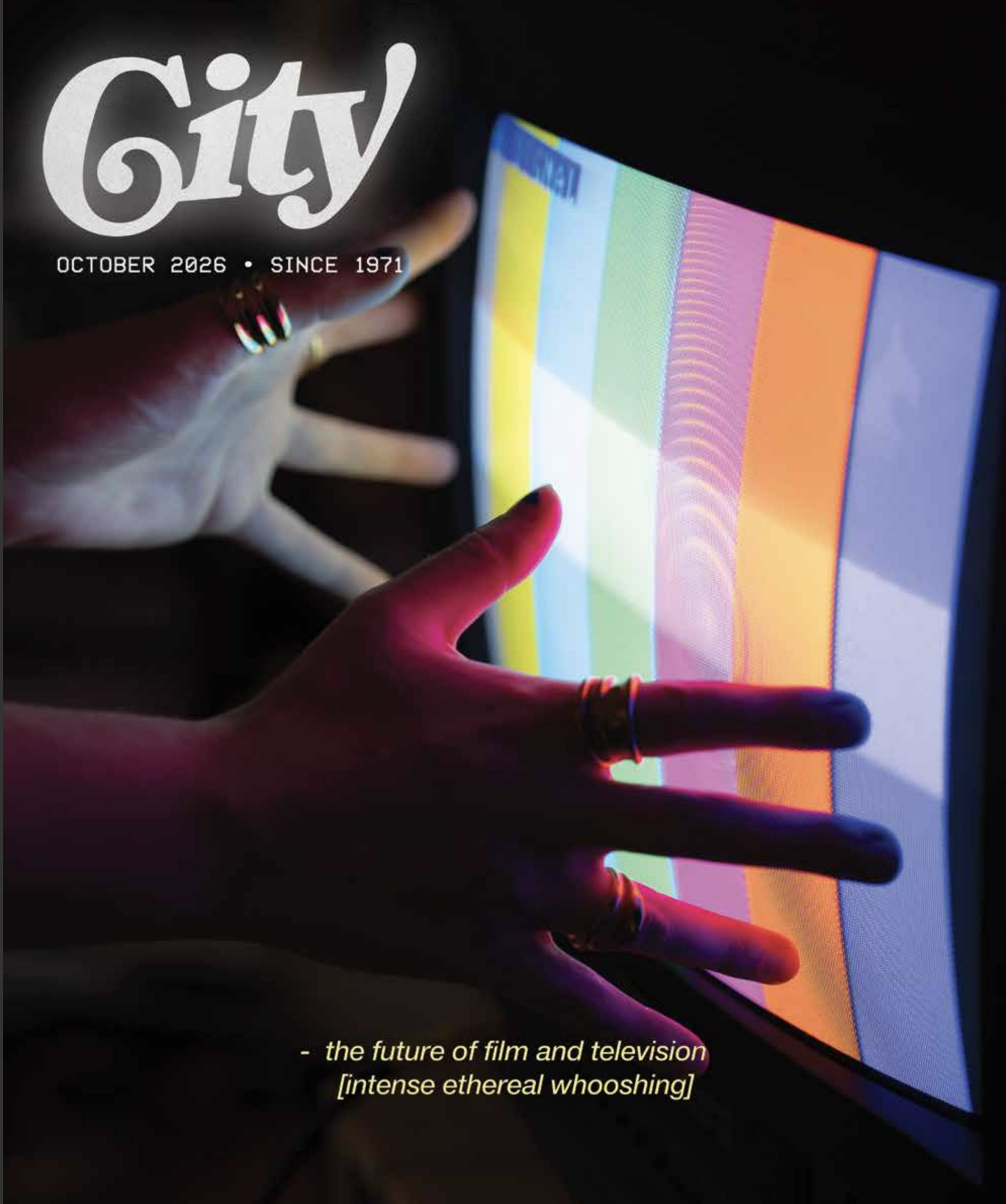
performance works, and even a contest to create cover art for programs. Even as
the season ends, I would imagine that now the analysis begins as to revenues
versus applause, and whether these variations attracted ticket sales and
donors.
If I have any parting comment on the season it is this: there shouldn’t be
an empty seat in the house for RPO concerts. Our philharmonic is an exceptional
treasure, and one that deserves the community’s support. I will state my case
through the words of a friend who got to last night’s concert in time to hear
the second half: “I will never listen to a recorded version of that piece again
– it was so amazing to hear it live!” Amen to that. Now go buy your season
tickets for 2012-2013.
The RPO will perform the program again — with one substitution — on
Saturday, June 2, at 8 p.m. in Kodak Hall at Eastman Theatre (60 Gibbs St.)
For more information or tickets visit
the website.
This article appears in A cultural gem in a high-tech hub.